A tragedy:
In the United States, less than one half of potential organs donors became actual organ donors.
We are talking about dead people here of course. Less than half of living people are willing to sign-up to donate their organs when they no longer need them.
Alex Tabbarok asks, well then why not pay?! With over 80,000 people on the waiting list and about 10% of these dying per year, it'd be nice if we could convince people to check the organ donor box when they go to the DMV. One obstacle is the National Organ Transplant Act (NOTA) of 1984 which states
"It shall be unlawful for any person to knowingly acquire, receive, or otherwise transfer any human organ for valuable consideration for use in human transplantation."
Ostensibly, this is to reduce the traffic in live human organs. To a lesser degree it aims to keep the rich from cornering the organ market. However, there are ways to avoid these undesirable outcomes. First, only allow payment for organs from dead people, with the funds going to the family, the estate, or some charity of the donor's choosing. Second, don't sell organs on the free market. Instead, use the current national registry system but allow the donors to be paid for their contribution!
In the absence of legal payment options, a group called the
LifeSharers has banded together, promising to donate their organs upon death to other members of the group before opening up to the national registry. At first I didn't know what to think about LifeSharers. But then I read their
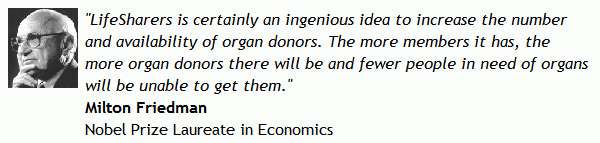
FAQs and found this quote on their website...

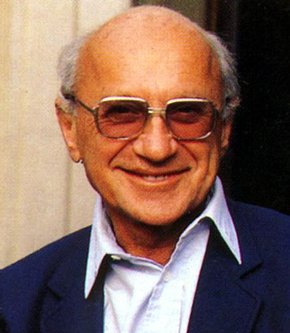
...Dr. Friedman has spoken. Think about it, if you could join a club that gave you first dibs on organs, wouldn't you join. You never incur a cost to join because you fulfill you obligation upon death. No, I haven't joined yet, but I'm seriously considering it.